

The apéro - that suspended moment between the end of the workday and dinner - is a universal ritual. But whether you find yourself in Milan, Tokyo or Beirut, people don't clink glasses the same way, with the same drinks, or with the same flavors on the table. This complete guide takes you on a world tour in 8 stops, to understand how each culture has shaped its own art of the aperitif - and inspire your next get-together with friends.
Table of contents
The apéro, a universal ritual
The word "aperitif" comes from the Latin aperire ("to open"), and the idea of raising a glass before a meal to whet the appetite is as old as gastronomy itself. From Antonio Benedetto Carpano, who invented vermouth in Turin in 1786, to Tokyo salarymen piling into an izakaya after 7pm, via Spaniards who "tapean" from bar to bar: across the globe, people have turned this moment into an art of living.
In this guide, we've selected 8 aperitif traditions that deserve a spot at your table. Each with its signature drink, its favorite nibbles and its own spirit. More than enough to turn your next Friday night into a mini-vacation.
| Country | Ritual name | Signature drink | What to snack on |
|---|---|---|---|
| 🇮🇹 Italy | Aperitivo | Aperol Spritz | Cicchetti, olives, bresaola |
| 🇪🇸 Spain | Tapeo | Tinto de verano, vermut | Tapas, tortilla, jamón |
| 🇯🇵 Japan | Izakaya | Highball, sake | Edamame, yakitori, gyoza |
| 🇱🇧 Lebanon | Mezze | Arak | Hummus, tabbouleh, kibbeh |
| 🇫🇷 France | Apéro | Pastis, kir, crémant | Saucisson, cheese, tapenade |
| 🇲🇽 Mexico | Botana | Paloma, michelada | Guacamole, totopos, elote |
| 🇩🇪 Germany | Biergarten | Maß of Helles, Radler | Pretzel, Obatzda, Weißwurst |
| 🇸🇪 Scandinavia | Sildebord | Aquavit, Gløgg | Pickled herring, gravlax |
Europe: the aperitif epicenter
Southern Europe is where the modern aperitif was born. Italy, Spain and France are three close neighbors, yet radically different in their take on the ritual. Italians chase the perfect bitter balance, Spaniards prefer standing strolls between bars, while the French elevate the apéro to a sacred institution.
🇮🇹 Italy - Aperitivo, the gold standard
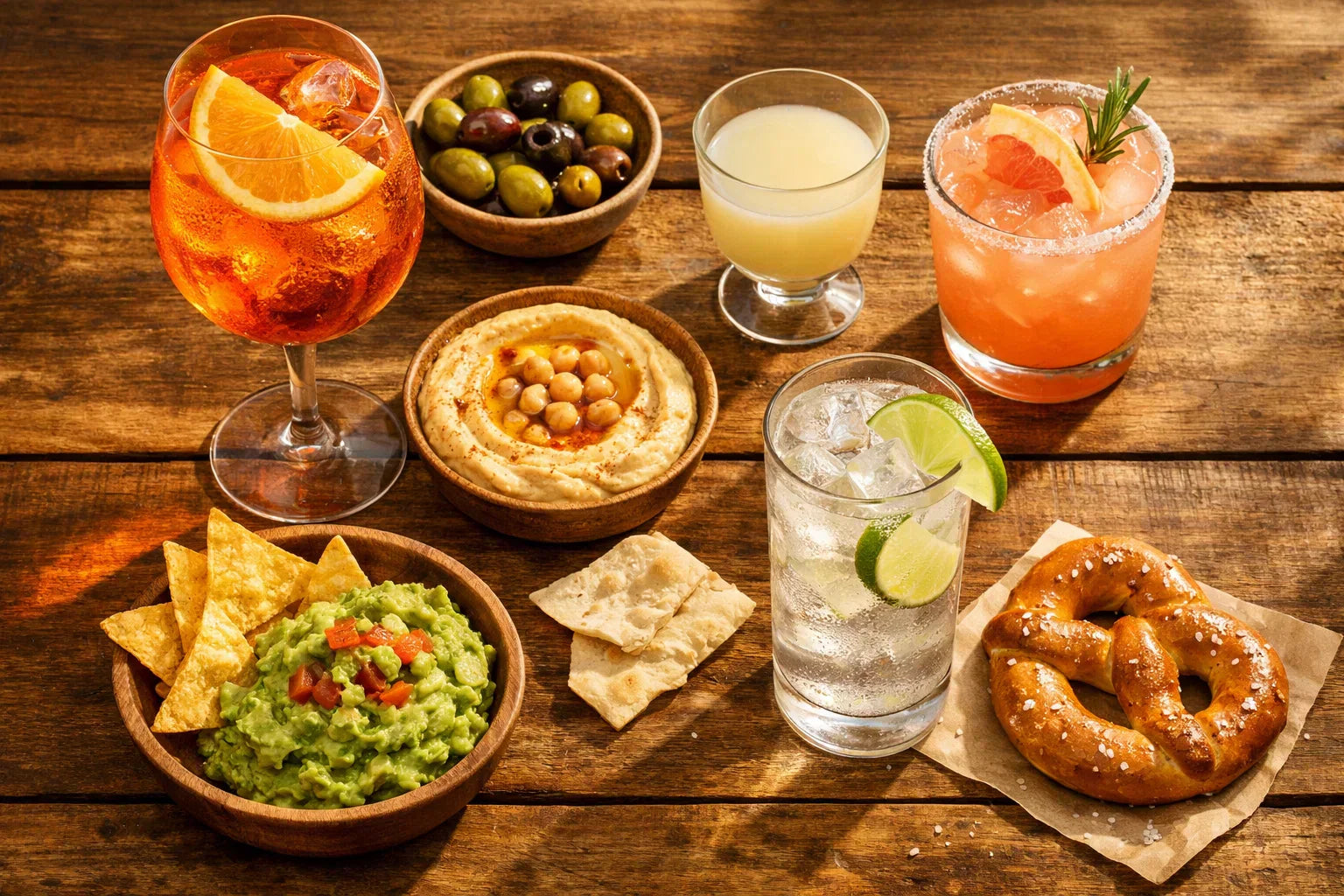
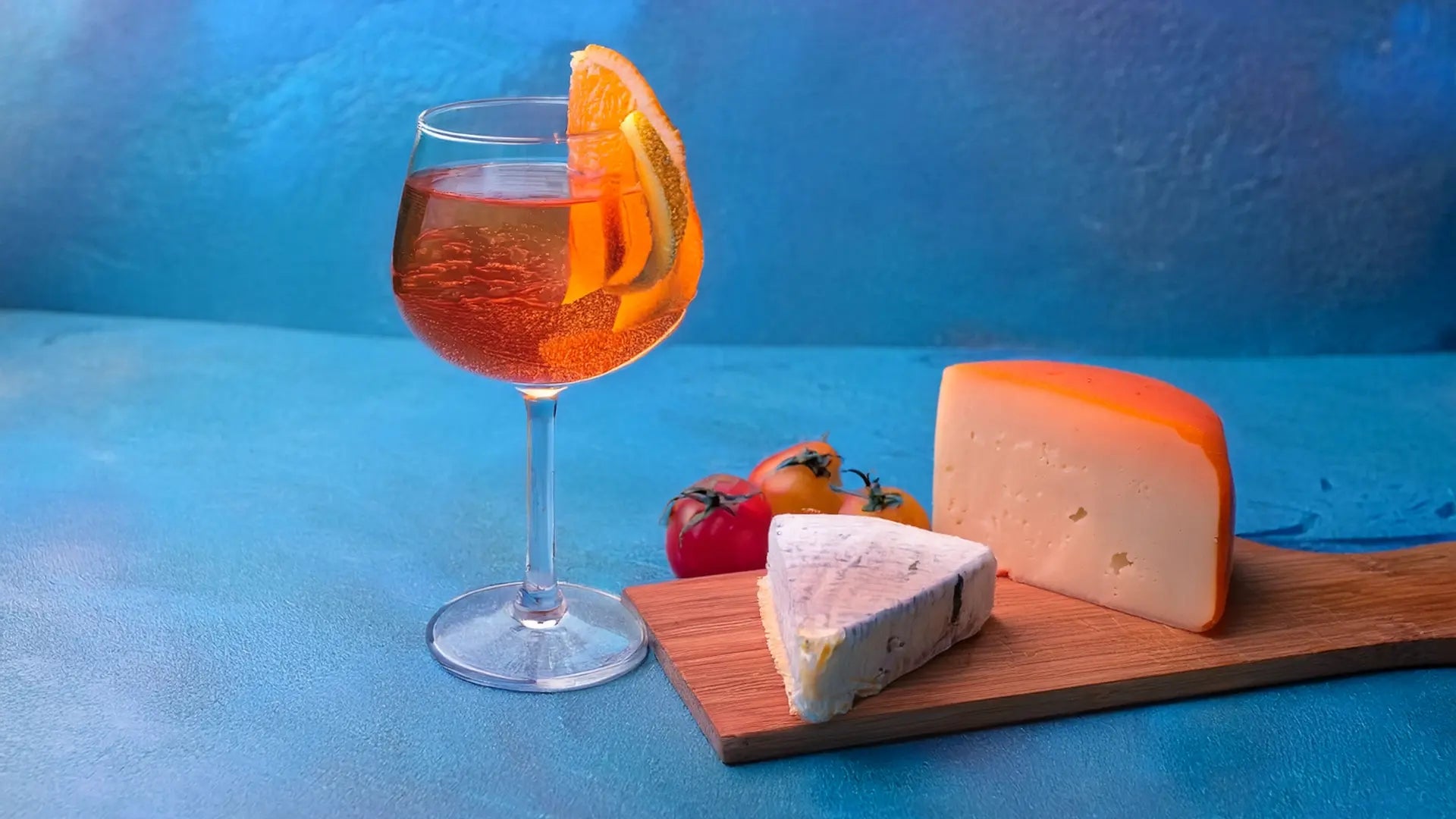
If the apéro were a religion, Milan would be its Vatican. Between 6pm and 8pm, cafés overflow, spritzes line every counter, and you can graze all you want for the price of a drink. The winning trio: Aperol Spritz (world's most famous), Negroni Sbagliato (gin swapped for prosecco) and crisp chilled Prosecco. In Venice, locals go for the Ombra, a small glass of white wine served with a cicchetto.
On the plate: Venetian cicchetti (tiny toasts), Taggiasca olives, bresaola, Pugliese taralli. Simple, generous, perfect.
🍹 Steal this at home: always pair the apéro with real food - not just peanuts. A charcuterie and cheese board alone takes you from "drinks" to full-on aperitivo.
🇪🇸 Spain - Tapeo, the art of standing snacks
In Spain, the apéro isn't a moment - it's a lifestyle. Tapeo means hopping from bar to bar, grabbing a couple of tapas and a drink at each stop. Born in Andalusia, tapas reportedly come from the habit of covering ("tapar") wine glasses with a slice of ham to keep flies out.
On the drinks side: tinto de verano (red wine + lemon soda, sangria's humble cousin), vermut rojo on tap on Sunday lunches, or a well-chilled caña. In Jerez, a dry fino is the go-to.
On the plate: tortilla, croquetas, patatas bravas, pata negra ham, boquerones, pan con tomate. The rule: nothing should need a fork.
🇫🇷 France - The apéro, the pre-pre-drink
In France, the apéro is institutional. You "have drinks" before Sunday lunch, before going out, even before you've decided where to eat. It's a social warm-up, a moment where conversation matters as much as the glass.
On the drinks side: pastis in the South, kir in Burgundy, Picon bière in the East, a classic Ricard-tomato for the connoisseurs, or a simple flute of crémant. The Saint-Germain Spritz (elderflower) has become the darling of Parisian terraces.
On the plate: dry sausage, rillettes, radishes with butter and salt, olives, tapenade, gougères, homemade chips, and the sacred trinity of cheese-pâté-cornichons. No joking about that.
Asia: conviviality perfected
Asia has its own aperitif codes. Where Europeans chase spontaneity, Japan cultivates precision, attention to detail and the beauty of small gestures. The result: apéro moments of rare elegance, where every detail matters.
🇯🇵 Japan - Izakaya, the art of unwinding
The izakaya is both a place and a ritual: these Japanese bar-restaurants where salarymen decompress after work over a beer and small plates. The word itself means "to stay in a sake shop". The vibe is warm, sometimes loud, always convivial.
On the drinks side: highball (Japanese whisky + soda, Japan's most ordered drink), sake hot or cold depending on the season, umeshu (plum liqueur), or an ice-cold Sapporo.
On the plate: edamame (a must), yakitori, gyoza, karaage (fried chicken), tsukemono (pickled vegetables). Say "kanpai!" and clink looking your partner in the eye.
🍶 Steal this at home: serve snacks in very small portions, on real ceramic tableware. The eye eats too.
Eastern Mediterranean: mezze rules
In Lebanon, Greece or Turkey, mezze blurs the line between apéro and meal. Fifteen or so small plates arrive at the table all at once, you graze for hours, you put the world to rights. Mezze is the apéro that never ends.
🇱🇧 Lebanon - Mezze, generosity on small plates
On the drinks side: Lebanese arak (anise-flavored, topped up with water - it turns milky white like pastis), Greek ouzo, or a rosé from the Bekaa Valley.
On the plate: hummus, moutabal, tabbouleh, fattoush, kibbeh, stuffed vine leaves, grilled halloumi. The rule: one vegetable dish for every meat dish, always with warm Lebanese bread.
🫒 Steal this at home: bring all the small plates out at once and let your guests dig in. Abundance is part of the pleasure - always prepare one third more than you think you need.
The Americas: spicy and joyful
Across the Atlantic, the apéro takes on brighter colors and bolder flavors. Mexico turns the late afternoon into a colorful ritual, as generous as it is explosive on the palate.
🇲🇽 Mexico - Botana, spicy and joyful
In Mexico, botana refers to those small savory-spicy plates that pair with beer or mezcal at the end of the day. Think colorful cantina vibes, salsa on every table, snacking to stretch the good mood until dinner.
On the drinks side: Paloma (tequila + grapefruit + salt, often preferred over the margarita by locals), michelada (beer + tomato juice + lime + hot sauce - the ultimate hangover cure), or straight mezcal with an orange slice and worm salt.
On the plate: guacamole, totopos, elotes (grilled corn), ceviche, chicharrón, chili-coated peanuts. The golden rule: it has to tingle on the tongue.
🌶️ Steal this at home: make your own salsas (red, green, habanero) and let everyone dial in their own heat level. Good-mood guaranteed.
Northern Europe: minimalism and aquavit
Up north, the energy shifts completely. Here, apéro can mean a beer under Bavarian chestnut trees, or pickled herring around an ice-cold aquavit. Two very different vibes, but one shared philosophy: keep it simple, do it big.
🇩🇪 Germany - Biergarten, the XXL apéro
In Munich, apéro happens in the shade of chestnut trees, on long wooden benches, shoulder to shoulder with strangers. The biergarten is a Bavarian institution since 1812, when King Maximilian I allowed brewers to serve their beer on site.
On the drinks side: the Maß (one-liter mug) of Helles or Weißbier, a Radler (beer + lemonade) for hot afternoons, or an Alpine-style Aperol Spritz.
On the plate: giant pretzel with sweet mustard, Obatzda (paprika cheese spread), Weißwurst, white radish curled into a spiral, Kartoffelsalat. Local tradition: you can even bring your own food!
🇸🇪 Scandinavia - Sildebord and fika
The Nordic countries gave us fika (the Swedish coffee-and-cake pause, now a global concept) but also the Danish sildebord, an apéro built around herring served ten different ways, with a shot of aquavit between every bite.
On the drinks side: aquavit (caraway-flavored schnapps, served ice-cold, bottoms up), Gløgg (spiced mulled wine) in winter, or a local craft beer. The rule: shout "skål!" and look everyone around the table in the eye.
On the plate: pickled herring (mild, mustard, curry, tomato...), gravlax, rye bread, hard-boiled egg, warm new potatoes. Minimalist, briny, dangerously addictive.
🥂 Steal this at home: pop your aquavit in the freezer 24 hours ahead. Serve in chilled glasses, shoot it down in one go, looking everyone in the eye. Instant atmosphere.
Hosting a world apéro tour at home
Feeling inspired by all these traditions? A "world tour" apéro at home is a winning concept: eye-opening, works any time of year, and surprisingly simple to pull off. Here's a battle plan ready for 6 guests.
| Destination | Drink | Snacks | Budget |
|---|---|---|---|
| 🇮🇹 Italy | Aperol Spritz (prosecco + Aperol) | Bresaola, olives, taralli | ~$20 |
| 🇱🇧 Lebanon | Arak + iced water | Hummus, tabbouleh, pita | ~$16 |
| 🇲🇽 Mexico | Paloma (tequila + grapefruit soda) | Guacamole, totopos, salsa | ~$18 |
| TOTAL | 3 signature drinks | ~9 small plates | ~$55 |
Our tips for a great night
- One country = one zone of the table. Give each "stop" its own corner with its drink and snacks. Guests wander like in an international market.
- Print a little "apéro passport" with a short blurb about each culture. Instant hit - even kids love it.
- Match the music to each country. A playlist per destination (Italian lounge-bossa, Gipsy Kings, J-pop...) shifts the vibe with zero effort.
- Offer a zero-proof version of every signature drink. Mocktails have become part of the global apéro party.
FAQ: your questions about world apéros
What is the difference between an aperitif and a digestif?
An aperitif is served before the meal to open the appetite, typically with low-sugar and often bitter drinks (spritz, vermouth, pastis). A digestif is served after the meal to aid digestion and tends to be sweeter or stronger in alcohol (limoncello, grappa, armagnac).
What is the most popular apéro drink in the world?
The Italian Spritz (Aperol or Campari + prosecco + sparkling water) is probably the most iconic and internationally served aperitif. Spanish tapas lead the way when it comes to snacking.
How do I host a world apéro tour at home?
Pick 3 to 4 countries, prepare one signature drink per destination (spritz for Italy, tinto de verano for Spain, highball for Japan) and a matching small plate. Arrange everything on one central table to encourage shared, buffet-style tasting. Bonus: print a little "apéro passport" so each guest can stamp their favorite countries.
Can I host an alcohol-free world apéro?
Absolutely. Every culture has a zero-proof alternative: zero-proof spritz using Aperitivo 0%, Mexican agua fresca (watermelon-lime), Moroccan mint iced tea, Cuban virgin mojito, or Japanese sparkling yuzu. Mocktails have become essential to the international apéro scene.
What budget should I plan for a world apéro for 6?
Expect around $50 to $70 for a 3-destination spread feeding 6 people: one base bottle per country ($12-18) and 3-4 homemade small plates. The beauty of the international apéro is that most recipes (hummus, guacamole, tortilla, edamame) are simple and inexpensive.
So, which world apéro will you try first?
The beauty of apéro is that it doesn't require a visa. All you need is a bottle, three friends and the urge to travel without leaving your kitchen. Our tip here at LAPERO: pick one recipe from this list each month, invite a few pals and spin the globe glass in hand. You'll see - the apéro is the most beautiful form of hospitality out there, regardless of the language you raise a toast in.
Until your next departure (real or in the kitchen), cheers, salud, cin cin, kanpai, skål, prost and sahtein!
Last updated: April 2026. Traditions evolve, recipes get reinvented.



















Share: